How ISO Certification in Gurgaon Helps Businesses Prepare for Future Market Demands
The business world is changing faster than ever. Customer expectations are evolving, technology is transforming industries, and regulatory requirements continue to grow more complex. In this environment, organizations must be prepared not only for today’s challenges but also for future opportunities. One way many businesses strengthen their readiness is by adopting internationally recognized management standards.
For companies looking to improve efficiency, build trust, and remain competitive, iso Certification in Gurgaon has become an important strategic consideration. Rather than serving as a simple compliance measure, it provides a structured framework that encourages continuous improvement, better risk management, and long-term resilience.
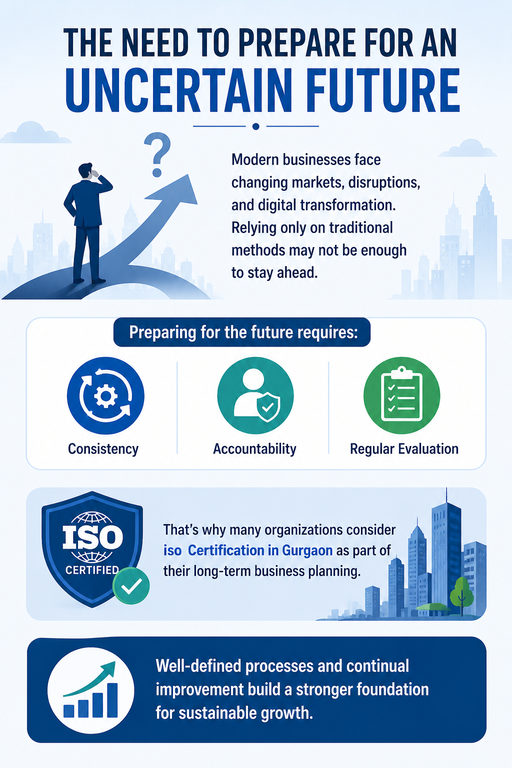
The Need to Prepare for an Uncertain Future
Modern businesses face changing market conditions, shifting consumer preferences, supply chain disruptions, and increasing digital transformation. Organizations that rely solely on traditional methods may struggle to adapt when unexpected challenges arise.
Preparing for the future requires systems that promote consistency, accountability, and regular evaluation. This is one reason why many organizations explore iso Certification in Gurgaon as part of their long-term business planning.
By establishing well-defined processes and encouraging continual improvement, businesses create a stronger foundation for sustainable growth.
Strengthening Operational Efficiency
Efficient operations are essential for meeting customer expectations and responding quickly to market changes. Clear procedures, documented workflows, and regular performance reviews help reduce unnecessary delays and improve productivity.
Businesses that focus on process optimization often experience better coordination between departments and fewer operational inconsistencies.
Pursuing iso Certification in Gurgaon encourages organizations to evaluate existing practices and identify opportunities for greater efficiency without compromising quality.
Building Customer Confidence
Customers are more likely to choose businesses that are reliable and professional. Consistent service delivery, transparent processes, and attention to quality all contribute to stronger customer relationships.
When organizations adopt recognized management frameworks, they signal a commitment to maintaining high standards and continuous improvement. This can strengthen credibility and encourage long-term business partnerships.
Customer trust is often one of the most valuable outcomes associated with structured management systems.
Supporting Better Risk Management
Every organization faces risks, including operational disruptions, changing regulations, cybersecurity concerns, and market fluctuations. Effective preparation requires identifying these risks before they become major problems.
A systematic approach to risk assessment enables businesses to develop preventive measures and improve decision-making. Instead of reacting after issues occur, organizations can proactively reduce vulnerabilities.
Many businesses pursuing iso Certification in Gurgaon appreciate the emphasis placed on planning, monitoring, and continuous evaluation of operational risks.
Encouraging Continuous Improvement
One of the defining characteristics of internationally recognized management standards is their focus on continual improvement. Rather than viewing success as a final destination, businesses are encouraged to review performance regularly and implement meaningful enhancements.
This mindset supports innovation, adaptability, and organizational learning. Small improvements made consistently can lead to significant long-term gains in efficiency and customer satisfaction.
Organizations that embrace continuous improvement are often better prepared for changing market expectations.
Improving Internal Communication
Strong communication supports effective collaboration across departments and management levels. Clearly documented responsibilities and standardized procedures reduce misunderstandings and help employees work toward common objectives.
Improved communication also enables faster problem-solving and more informed decision-making during periods of growth or change.
Companies adopting quality management systems often find that better internal coordination contributes directly to operational success.
Staying Competitive in Growing Markets
Business environments continue to evolve as new technologies, customer preferences, and competitors emerge. Organizations that maintain outdated systems may struggle to keep pace.
Implementing structured management practices encourages adaptability while supporting consistency in daily operations. Businesses that invest in organized processes often respond more effectively to market opportunities and challenges.
Choosing iso Certification in Gurgaon can therefore support organizations seeking to strengthen their competitive position in dynamic industries.
Preparing for Digital Transformation
Digital technologies continue to reshape business operations through automation, data analytics, cloud computing, and remote collaboration. While these innovations create opportunities, they also require disciplined management and well-defined processes.
Organizations with structured operational frameworks are often better positioned to integrate new technologies successfully while maintaining quality and compliance.
Future readiness increasingly depends on balancing innovation with effective governance.
Supporting Employee Engagement
Employees perform more effectively when expectations are clear and processes are well organized. Standardized procedures reduce confusion, encourage accountability, and promote consistency across teams.
Training, documentation, and regular reviews help staff understand their responsibilities while contributing to organizational goals.
Businesses pursuing business process improvement often observe stronger collaboration and increased employee confidence in their daily work.
Meeting Evolving Customer Expectations
Modern customers expect timely service, consistent quality, transparency, and responsiveness. They are more informed than ever before and frequently compare multiple providers before making decisions.
Organizations that continually evaluate customer feedback and improve internal processes are better equipped to meet these expectations.
Structured management approaches encourage businesses to place customer satisfaction at the center of operational planning.
Strengthening Supply Chain Reliability
Reliable supply chains depend on communication, documentation, quality controls, and risk management. Unexpected disruptions can affect production schedules, inventory, and customer commitments.
Organizations that establish standardized procedures are often better prepared to identify weaknesses and maintain continuity during changing market conditions.
This proactive approach supports resilience and long-term operational stability.
Enhancing Decision-Making Through Data
Successful businesses increasingly rely on measurable performance indicators rather than assumptions alone. Tracking key metrics allows organizations to identify trends, evaluate outcomes, and make evidence-based decisions.
Management systems encourage regular monitoring and analysis, helping leaders prioritize improvements and allocate resources effectively.
Better information leads to better strategic planning and stronger long-term performance.
Supporting Regulatory Readiness
Regulatory environments continue to evolve across many industries. Organizations that maintain organized documentation and clearly defined processes are generally better prepared to respond to changing compliance requirements.
Regular reviews and continuous improvement initiatives help businesses remain adaptable without unnecessary disruption.
This flexibility contributes to confidence when navigating evolving legal or industry expectations.
Creating Long-Term Business Value
The benefits of structured management extend beyond short-term operational improvements. Consistent quality, stronger customer relationships, improved efficiency, and proactive risk management all contribute to lasting organizational value.
Rather than focusing only on immediate gains, businesses adopting iso Certification in Gurgaon often position themselves for sustainable growth and future opportunities.
Long-term success depends on building resilient systems capable of adapting to ongoing change.
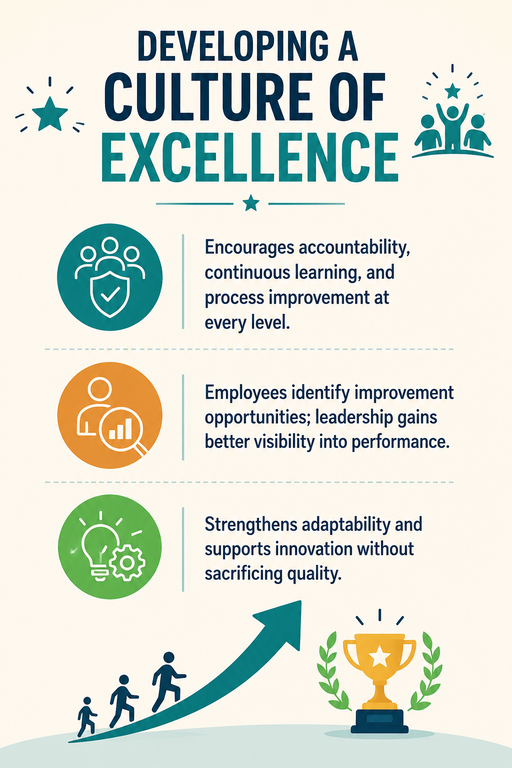
Developing a Culture of Excellence
A commitment to excellence is reinforced when organizations encourage accountability, continuous learning, and process improvement throughout every level of operation.
Employees become active participants in identifying opportunities for enhancement, while leadership gains greater visibility into organizational performance.
This culture strengthens adaptability and supports innovation without sacrificing consistency or quality.
Conclusion
As markets continue to evolve, businesses must prepare for changing customer expectations, technological advancements, regulatory developments, and competitive pressures. Success increasingly depends on structured systems that promote efficiency, accountability, resilience, and continuous improvement.
Adopting iso Certification in Gurgaon can help organizations establish these foundations while supporting better risk management, stronger customer confidence, and more effective internal processes. Rather than viewing certification as a one-time achievement, businesses should see it as an ongoing commitment to operational excellence and sustainable growth.
By embracing internationally recognized management practices, organizations place themselves in a stronger position to navigate uncertainty, respond to future market demands, and create long-term value. Investing in iso Certification in Gurgaon today can support the flexibility, consistency, and strategic readiness needed to thrive in tomorrow’s evolving business environment.