
What Is the Process for Obtaining Product Certification in India? A Complete Business Guide
Launching a product in today’s competitive marketplace involves much more than design, manufacturing, and marketing. Businesses must also demonstrate that their products meet applicable quality, safety, and regulatory requirements before reaching customers. This is where Product certification services in india play an important role by helping organizations navigate certification requirements and build confidence in their products.
Whether you manufacture consumer goods, industrial equipment, electrical products, or specialized components, understanding the certification process can reduce delays, improve compliance, and strengthen market credibility. This guide explains the general steps involved and why product certification has become an essential part of doing business in India.
What Is Product Certification?
Product certification is a process through which a product is evaluated against specific standards, technical requirements, or regulatory criteria. The purpose is to verify that the product meets defined expectations related to safety, quality, performance, or compliance.
Many organizations rely on Product certification services in india to better understand applicable requirements, prepare documentation, and ensure products are ready for assessment before entering the market.
Certification requirements vary depending on the type of product, intended use, and governing regulations.
Why Product Certification Matters
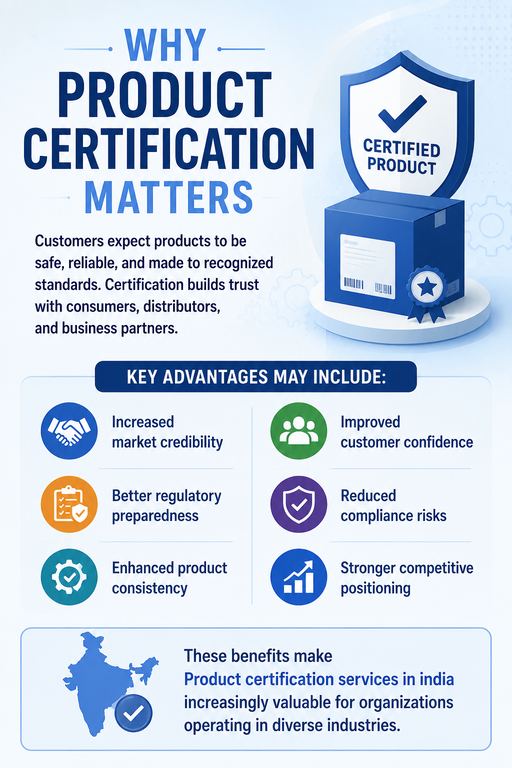
Customers today expect products to be safe, reliable, and manufactured according to recognized standards. Certification helps businesses demonstrate their commitment to these expectations while supporting trust among consumers, distributors, and business partners.
Key advantages may include:
- Increased market credibility
- Improved customer confidence
- Better regulatory preparedness
- Reduced compliance risks
- Enhanced product consistency
- Stronger competitive positioning
These benefits make Product certification services in india increasingly valuable for organizations operating in diverse industries.
Step 1: Identify Applicable Requirements
The first stage involves determining which standards or regulatory requirements apply to the specific product.
Factors influencing this assessment include:
- Product category
- Intended purpose
- Materials used
- Manufacturing processes
- Target market
- Applicable legal obligations
Understanding these requirements early helps avoid unnecessary redesigns or delays later in the certification journey.
Step 2: Review Product Design and Specifications
Before formal evaluation begins, businesses should carefully examine product specifications and technical documentation.
This review helps confirm that the product has been designed with relevant safety, quality, and performance expectations in mind. Addressing potential gaps during development often simplifies later stages of certification.
Organizations seeking Product certification services in india frequently prioritize this step to reduce future compliance challenges.
Step 3: Prepare Documentation
Comprehensive documentation is an important part of product certification. Depending on the product and applicable requirements, businesses may need to organize information such as:
- Product descriptions
- Technical drawings
- Manufacturing details
- Material specifications
- Test reports
- Quality procedures
- User instructions
- Safety information
Well-prepared documentation improves transparency and supports efficient evaluation throughout the certification process.
Step 4: Conduct Product Testing
Testing is often required to verify that products perform according to applicable standards and technical criteria. Evaluations may assess aspects such as safety, durability, functionality, reliability, or environmental performance.
The scope of testing varies based on product type and regulatory expectations.
Businesses focusing on quality compliance solutions often integrate testing into broader quality assurance practices to strengthen consistency and identify potential improvements.
Step 5: Evaluate Manufacturing Processes
Certification frequently considers not only the product itself but also aspects of how it is manufactured.
Organizations may review production procedures, quality controls, traceability systems, inspection methods, and documentation practices to ensure ongoing consistency.
Well-managed manufacturing systems help maintain product quality beyond initial certification activities.
Step 6: Address Non-Conformities
During evaluation, areas requiring improvement may be identified. These observations provide opportunities to strengthen products or internal processes before certification progresses further.
Corrective actions may involve:
- Updating documentation
- Improving production controls
- Modifying product design
- Enhancing testing procedures
- Strengthening quality monitoring
Addressing findings promptly contributes to smoother certification outcomes and long-term operational improvement.
Step 7: Complete the Certification Assessment
Once documentation, testing, and required evaluations have been completed, the certification review can proceed according to applicable standards or regulatory frameworks.
Successful completion indicates that the product satisfies defined requirements at the time of assessment. Businesses can then demonstrate compliance according to relevant certification conditions where applicable.
Understanding this structured approach helps organizations make informed decisions about Product certification services in india.
Step 8: Maintain Ongoing Compliance
Certification is not always a one-time event. Products, manufacturing methods, regulations, and technical standards may evolve over time.
Businesses should establish systems that support:
- Regular internal reviews
- Document updates
- Ongoing quality monitoring
- Process improvements
- Compliance verification
- Change management
Continuous attention helps maintain consistency and prepares organizations for future assessments when required.
Common Challenges Businesses Face
Obtaining product certification may present several practical challenges, including:
- Identifying applicable regulations
- Preparing technical documentation
- Managing design modifications
- Coordinating testing activities
- Maintaining manufacturing consistency
- Keeping pace with changing standards
Planning ahead and allocating sufficient resources can significantly reduce these difficulties.
The Role of Quality Management
Strong internal quality systems complement certification efforts by promoting consistency throughout production and documentation.
Organizations with structured quality practices often experience:
- Fewer production errors
- Better traceability
- Improved customer satisfaction
- Reduced rework
- Stronger compliance readiness
Many businesses pursuing Product certification services in india also invest in broader quality management initiatives to support long-term success.
Benefits Beyond Regulatory Compliance
While meeting legal or technical requirements is important, product certification can deliver broader business advantages.
Certified products may strengthen brand reputation, improve stakeholder confidence, support market expansion, and demonstrate commitment to quality and safety.
Customers increasingly value organizations that emphasize transparency and accountability throughout their manufacturing processes.
Preparing for International Opportunities
Businesses planning to enter global markets often discover that structured certification practices simplify expansion efforts. Familiarity with recognized standards and documented quality systems supports smoother communication with international customers and partners.
Although requirements differ across countries, organizations that establish disciplined compliance processes are often better positioned to adapt to evolving expectations.
Investing in regulatory compliance for products today can create opportunities for broader market participation tomorrow.
Building Customer Trust Through Certification
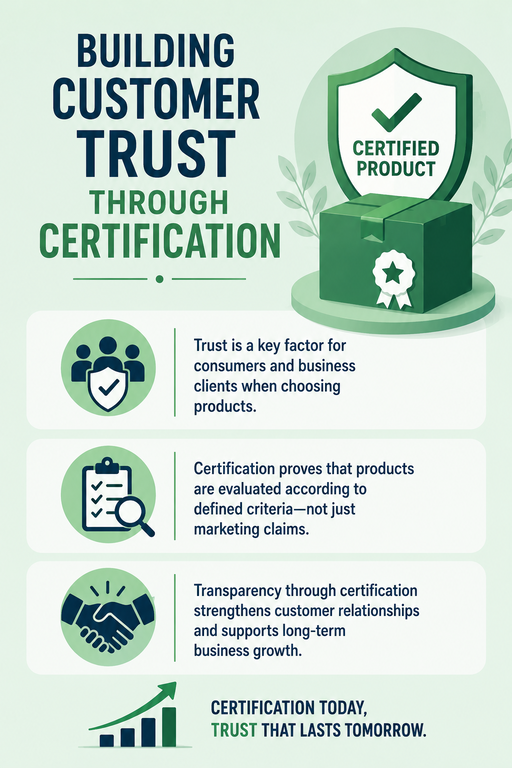
Trust remains one of the most valuable assets any organization can develop. Consumers and business clients alike prefer products that demonstrate reliability, consistency, and attention to quality.
Certification provides evidence that products have been evaluated according to defined criteria rather than relying solely on marketing claims.
This transparency helps strengthen customer relationships while supporting long-term business growth.
Creating a Culture of Continuous Improvement
Successful certification initiatives encourage organizations to move beyond minimum compliance and embrace continuous improvement.
Regular reviews, employee involvement, performance monitoring, and proactive risk management help businesses identify opportunities for enhancement before issues become significant.
This culture supports innovation while maintaining quality and consistency across operations.
Conclusion
Obtaining product certification is much more than fulfilling a regulatory requirement or completing documentation. It is a comprehensive process that helps businesses improve product quality, strengthen internal systems, and demonstrate their commitment to safety and compliance. From understanding standards and conducting testing to maintaining ongoing evaluations, every step contributes to building trust in the marketplace. This is why many organizations choose Product certification services in india to streamline their compliance efforts and support long-term growth.
By investing in Product certification services in india, businesses can enhance operational efficiency, reduce the risk of non-compliance, and improve customer confidence in their products. Well-planned certification practices also encourage continuous improvement, helping manufacturers adapt to changing regulations and evolving industry expectations. As competition increases, companies that prioritize Product certification services in india are often better positioned to expand into new markets and establish stronger relationships with customers and business partners.
In today’s dynamic business environment, maintaining high standards is essential for sustainable success. Choosing Product certification services in india enables organizations to build credibility, improve product consistency, and prepare for future opportunities while supporting responsible manufacturing practices and long-term business resilience. By making certification a strategic priority, businesses can create lasting value and strengthen their position in competitive markets.