
Is the ISO 27001 Exam Open Book? A Complete Guide for Candidates
As cybersecurity and information protection become increasingly important across industries, more professionals are exploring iso 27001 Certification to strengthen their knowledge and support organizational security objectives. Along the way, one of the most common questions candidates ask is whether the ISO 27001 exam is open book or closed book.
The answer depends on the specific certification body and examination format being used. Different organizations may have different rules, policies, and testing procedures. Therefore, candidates should always review the official exam guidelines before appearing for the assessment. Beyond understanding the format, successful preparation requires a strong grasp of information security concepts, practical thinking, and familiarity with management system principles.
Understanding ISO 27001
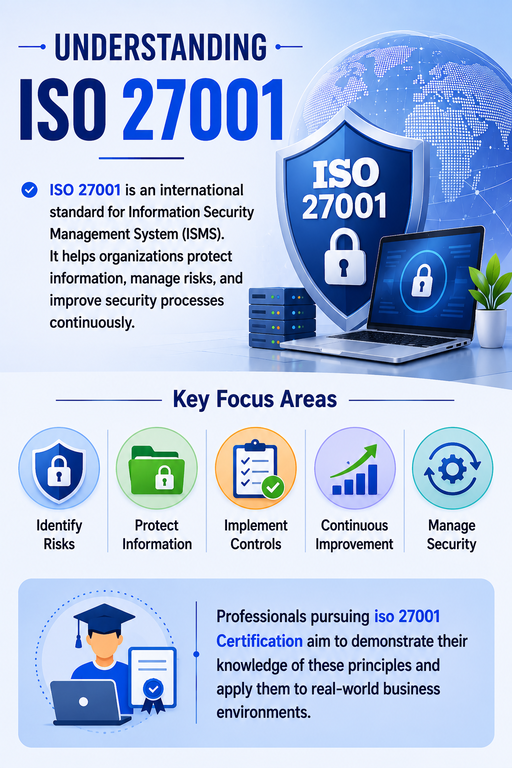
ISO 27001 is an internationally recognized standard that provides a framework for establishing, implementing, maintaining, and continually improving an Information Security Management System (ISMS). It helps organizations identify security risks, protect sensitive information, and build structured processes for managing data responsibly.
Professionals pursuing iso 27001 Certification often aim to demonstrate their understanding of these principles and their ability to apply them in real-world business environments.
Is the ISO 27001 Exam Open Book?
There is no universal answer because examination policies vary. Some certification providers conduct open-book assessments where approved reference materials may be used under defined conditions. Others administer closed-book exams that require candidates to rely entirely on their preparation and understanding.
Even when an exam is open book, success should not depend on searching through documents during the test. Time constraints often make it impractical to look up every answer. Candidates who understand the concepts thoroughly are generally better positioned to perform well regardless of the exam format.
Anyone planning to pursue iso 27001 Certification should carefully verify the rules established by their chosen examination provider.
Why Understanding Matters More Than Memorization
Many candidates mistakenly assume that memorizing definitions is sufficient. In reality, ISO 27001 assessments often evaluate understanding, reasoning, and practical application.
Questions may require candidates to interpret scenarios, identify risks, evaluate controls, or determine appropriate management actions. These situations reward conceptual understanding rather than simple recall.
Preparing for iso 27001 Certification therefore involves learning how information security principles apply within organizational contexts.
Key Areas Candidates Should Focus On
Although examination requirements differ, candidates generally benefit from understanding broader themes such as:
- Information security governance
- Risk-based thinking
- Continual improvement
- Documentation practices
- Leadership responsibilities
- Internal monitoring
- Corrective actions
- Compliance awareness
Developing familiarity with these concepts supports stronger performance while encouraging practical knowledge that extends beyond examination settings.
Effective Study Strategies
A well-planned study approach helps candidates feel more confident and reduces unnecessary stress.
Useful approaches include:
- Creating a realistic study schedule
- Reviewing official guidance materials
- Practicing scenario-based questions
- Revising regularly rather than cramming
- Taking notes in your own words
- Participating in discussions with peers
- Applying concepts to practical examples
These methods strengthen understanding and improve retention far more effectively than memorization alone.
Practice Questions Build Confidence
Attempting practice questions helps candidates become comfortable with exam style, wording, and time management.
Scenario-based exercises encourage analytical thinking while revealing areas that require additional review. Repeated practice also improves familiarity with information security terminology and decision-making frameworks.
Individuals preparing for iso 27001 Certification often find that consistent practice significantly boosts confidence before examination day.
Time Management During the Exam
Whether the assessment is open book or closed book, effective time management remains essential.
Candidates should:
- Read each question carefully.
- Avoid spending excessive time on difficult items.
- Answer straightforward questions first.
- Reserve time for reviewing responses.
- Stay calm throughout the assessment.
Managing time efficiently allows candidates to demonstrate their knowledge without unnecessary pressure.
Common Misconceptions About Open-Book Exams
Some people assume open-book examinations are automatically easier. In reality, this is not always the case.
Open-book formats frequently emphasize interpretation and application rather than memorization. Searching through reference materials for every question may consume valuable time and reduce overall performance.
Strong preparation remains essential regardless of whether candidates are permitted to consult approved resources during the assessment.
The Importance of Practical Thinking
Information security management involves making informed decisions within complex organizational environments. Candidates who understand how principles apply to realistic situations often perform better than those relying solely on theoretical knowledge.
Practical thinking includes recognizing potential risks, evaluating business impacts, supporting compliance efforts, and recommending appropriate management actions.
These skills extend well beyond passing an examination and contribute to professional effectiveness.
Building Long-Term Professional Value
Preparing for iso 27001 Certification offers benefits beyond examination success. The learning process encourages structured thinking, disciplined documentation, risk awareness, and continuous improvement.
Professionals with a solid understanding of information security management can contribute to organizational resilience and support better decision-making across multiple functions.
Continuous learning remains important as cybersecurity threats and regulatory expectations continue evolving.
Reducing Examination Anxiety
Feeling nervous before an important assessment is common. However, confidence increases when preparation is systematic and consistent.
Helpful strategies include:
- Starting preparation early
- Taking regular breaks while studying
- Reviewing challenging topics multiple times
- Maintaining healthy sleep habits
- Avoiding last-minute cramming
- Practicing under timed conditions
Balanced preparation supports better focus and clearer thinking during the exam itself.
The Role of Continuous Improvement
One of the fundamental principles associated with information security management is continual improvement. Organizations regularly evaluate performance, identify opportunities for enhancement, and adapt to changing risks.
Candidates should approach their own preparation similarly by reviewing progress, addressing weaknesses, and refining study methods over time.
This mindset not only improves examination readiness but also strengthens long-term professional development.
Staying Current With Industry Developments
Information security is constantly evolving due to technological innovation, emerging cyber threats, changing regulations, and shifting business environments.
Professionals who remain informed about industry developments can better understand the practical significance of ISO 27001 concepts and their application within modern organizations.
Ongoing education complements the knowledge gained while pursuing information security management certification and supports continued career growth.
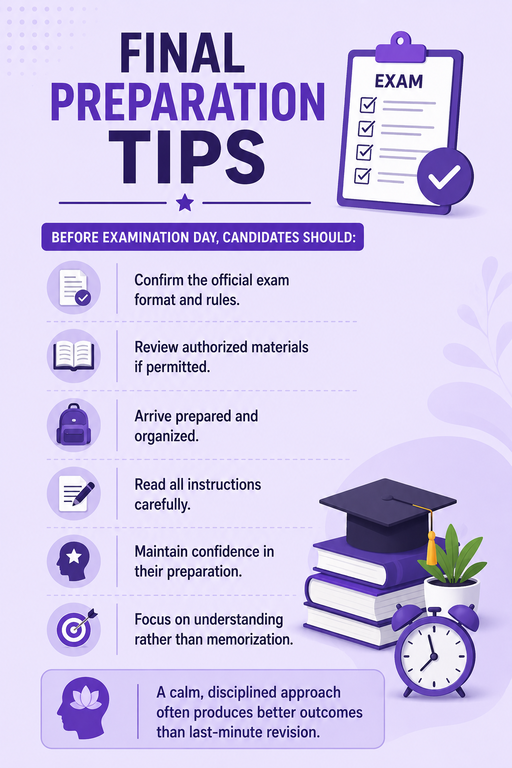
Final Preparation Tips
Before examination day, candidates should:
- Confirm the official exam format and rules.
- Review authorized materials if permitted.
- Arrive prepared and organized.
- Read all instructions carefully.
- Maintain confidence in their preparation.
- Focus on understanding rather than memorization.
A calm, disciplined approach often produces better outcomes than last-minute revision.
Conclusion
Whether the ISO 27001 exam is open book or closed book ultimately depends on the policies and guidelines established by the specific examination provider. Candidates should always review the official instructions before scheduling their assessment to understand what materials, if any, are permitted during the exam. However, regardless of the format, true success comes from developing a solid understanding of information security principles rather than relying on reference documents alone. This is why preparing for iso 27001 Certification should focus on practical knowledge, critical thinking, and the ability to apply concepts in real-world situations.
Earning iso 27001 Certification is much more than achieving a credential or passing an exam. It provides professionals with a deeper appreciation of how information security management supports business continuity, protects sensitive data, and strengthens organizational resilience. Through consistent study and hands-on understanding, candidates pursuing iso 27001 Certification can build skills that remain valuable throughout their careers.
Another important benefit of iso 27001 Certification is the emphasis on continual improvement and risk-based thinking. These principles encourage individuals and organizations to identify potential vulnerabilities, implement effective controls, and adapt to evolving security challenges. As technology continues to advance and cyber risks become more complex, the knowledge gained through iso 27001 Certification can help professionals make informed decisions and contribute meaningfully to secure business operations.
Ultimately, candidates should approach preparation with patience, discipline, and a commitment to learning rather than memorization. Regular practice, familiarity with information security concepts, and understanding organizational processes can significantly improve confidence before the examination. By investing time and effort into iso 27001 Certification, professionals position themselves for long-term growth while enhancing their ability to support strong information security practices in modern workplaces. The value of iso 27001 Certification extends well beyond the exam itself, making it an important step toward continuous professional development and responsible information management.