Why Does Expanding Your Business Change Your ISO Certification Costs?
Introduction
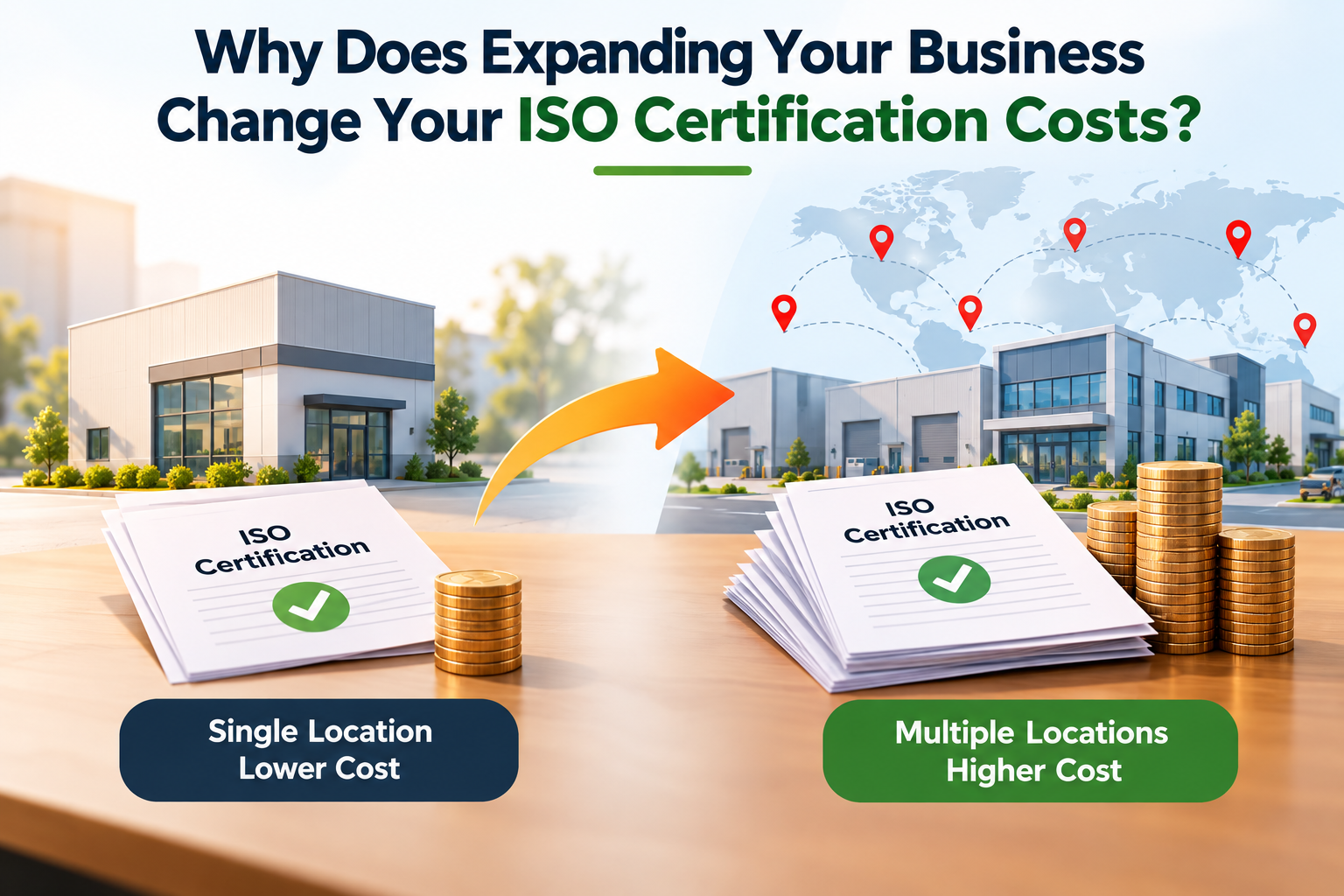
Business growth brings new opportunities, but it can also change how an organisation manages quality, safety, information, and daily operations. A company that once worked from one office with a small team may later operate several locations, hire more employees, introduce new services, or serve customers in different industries. These changes can affect the effort needed to assess and maintain an ISO-certified management system.
Understanding iso certification cost for small business in india requires looking beyond company size. Certification planning also considers the selected standard, activities covered, operational complexity, number of sites, and readiness of existing processes. As a business expands, these factors may change, making it important to review the certification scope instead of assuming the original arrangements will always be sufficient.
More Employees Can Mean More Audit Work
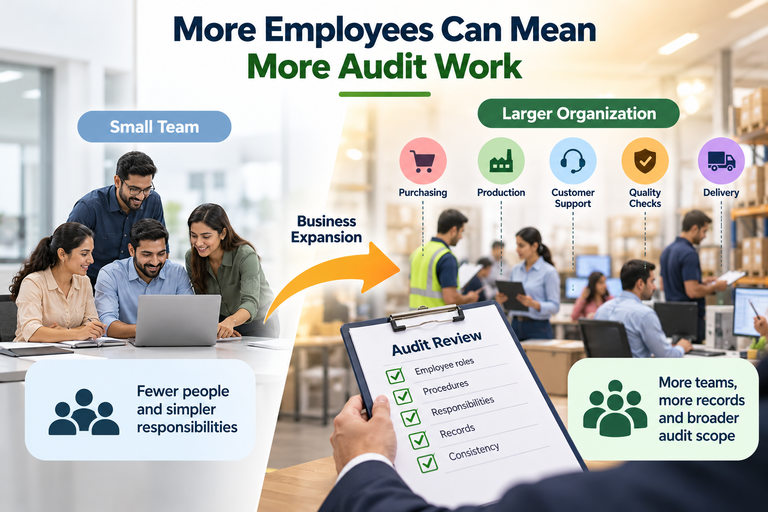
When a business grows, additional employees usually bring new responsibilities, workflows, and communication needs. Auditors may need to review how staff understand procedures, how responsibilities are assigned, and whether the management system is applied consistently across teams.
A small business may initially have a few people handling several functions. After expansion, separate teams may manage purchasing, production, customer support, quality checks, and delivery. Each function can introduce different risks and records that need to be considered within the certification scope.
Additional Locations Increase Complexity
Opening a branch, warehouse, production unit, or service centre can influence certification planning. Auditors may need to understand how each location operates, whether the same processes are used, and how central management monitors performance.
A business with several sites must show that relevant procedures are implemented consistently, while allowing for legitimate differences in local activities. Records, responsibilities, equipment, and legal obligations may vary between locations. Travel and site assessment requirements can also affect the audit plan.
Some certification programmes permit a structured multi-site approach when eligibility conditions are met. However, businesses should not assume that one office audit automatically covers every new location. The certification body determines the appropriate approach based on the scope, activities, risks, and applicable rules.
New Services and Processes May Change the Scope
Expansion often means doing more than the business originally did. A manufacturer might add a product line, a service provider might introduce installation work, or a technology firm might begin managing sensitive customer information. These developments can introduce processes and risks that were not part of the original management system.
The certification scope describes the activities and locations covered by the certificate. If the business changes significantly, it should check whether the existing scope remains accurate. Adding activities may require further assessment, updated documentation, new controls, or an extension to the certified scope.
For example, a company that originally provided office-based services may later add field operations. It may need to consider equipment control, employee competence, customer-site risks, and how service quality is checked away from its main premises.
The ISO Standard and Risk Level Matter
Different ISO standards address different management needs. A quality management system focuses on consistent products and services, while information security, environmental management, and occupational health and safety systems address different risks and controls.
As a business expands into new markets or activities, it may need a different standard or additional certification. The work involved depends on the requirements of the standard and the organisation’s actual operations. A business handling sensitive data, for example, may need more detailed information security risk assessment and access controls than a business without comparable risks.
The ISO certification process therefore cannot be assessed using headcount alone. The standard, scope, complexity, outsourced activities, and maturity of existing controls all help determine assessment effort. Businesses should select standards according to customer requirements, legal obligations, operational risks, and business objectives rather than pursuing certificates without a clear purpose.
Existing Documentation Can Reduce Extra Work
Growth does not always make certification more difficult. If a business has well-maintained procedures, clear responsibilities, reliable records, and an effective internal review process, expanding the system may be more manageable.
Problems arise when daily practices change but documents remain outdated. A new branch might follow a different method, or newly hired employees may not know which forms to complete. Such inconsistencies can create gaps that require investigation and corrective action before the system is ready for assessment.
Regular internal audits help identify these issues early. Management reviews can also assess whether objectives, resources, responsibilities, and controls remain suitable as the organisation develops. Keeping documentation practical and current is generally more useful than creating excessive paperwork that employees rarely use.
Training and Technology Needs May Grow
New employees need to understand the procedures relevant to their roles. New equipment or software may also require updated instructions, access controls, maintenance arrangements, or competency checks. These activities take time and should be considered when planning certification and ongoing system maintenance.
Technology can help standardise operations across sites. Shared document systems, workflow tools, and central dashboards may make it easier to monitor performance and keep records consistent. However, technology is only useful when employees are trained and information is accurate. Introducing a new platform without clear ownership can create confusion rather than reduce it.

Certification Is an Ongoing Commitment
Certification is not simply a one-time assessment. Management systems normally require continuing oversight, including surveillance audits, internal audits, management reviews, and action on identified nonconformities. When a business grows, these activities may need to cover changed processes, more staff, or additional sites.
A company should review its certification arrangements whenever a significant change occurs. Informing the certification body about changes to locations, activities, employee numbers, or scope helps determine whether the audit plan needs adjustment. Waiting until the next scheduled audit may create avoidable uncertainty.
When considering ISO certification requirements, businesses should check what is included in a proposal, which activities are covered, whether travel or additional assessments are separate, and how ongoing surveillance is planned. Comparing proposals is more meaningful when each is based on the same scope and assumptions.
How to Plan for Growth Without Unnecessary Costs
Businesses can manage iso certification cost for small business in india more effectively by reviewing certification needs before expanding. Start by identifying planned changes, including new locations, additional employees, equipment, services, and outsourced activities. Compare these developments with the existing certification scope to identify gaps early.
Maintain updated procedures, training records, internal audit reports, and corrective action documents. When responsibilities and processes are clearly documented, employees can follow consistent practices, reducing confusion and preparation work. Review the current management system regularly to ensure it reflects actual operations rather than outdated arrangements.
Before extending certification, discuss significant changes with the certification body to understand whether additional assessments or scope modifications are necessary. Compare proposals based on the same scope and requirements instead of selecting an option solely on its initial quotation. These steps help businesses plan resources, avoid unexpected expenses, and maintain compliance as operations grow.
Conclusion
Business expansion can change ISO certification costs because it often changes the size, scope, complexity, and risk profile of the management system being assessed. More employees, additional locations, new services, and different operational risks may require extra planning, evidence, training, or audit activity. The impact varies by organisation, so growth does not automatically produce the same result for every business.
For companies evaluating iso certification cost for small business in india, the best approach is to review certification needs whenever the business changes. Keep procedures current, involve employees, assess new risks, and communicate scope changes early. With careful planning and a management system that reflects real operations, businesses can support growth while avoiding unnecessary surprises during certification and ongoing audits.