
What Is the Latest ISO 50001 Standard? Key Requirements Explained
Energy efficiency has become a strategic priority for organizations across industries. Rising operational costs, sustainability goals, environmental responsibilities, and increasing stakeholder expectations have encouraged businesses to manage energy resources more effectively. One internationally recognized framework that supports these objectives is ISO 50001, a standard designed to help organizations establish and improve energy management systems.
Many businesses researching an iso 50001 Certification body in India also want to understand the latest version of the standard and the requirements involved in implementing it successfully. Gaining clarity on these principles helps organizations make informed decisions and prepare for long-term energy performance improvements.
Understanding ISO 50001
ISO 50001 is a global standard that helps organizations manage and improve their energy use through an Energy Management System (EnMS). It provides organizations with a structured approach to monitoring, measuring, controlling, and continually improving energy performance.
Rather than prescribing specific energy targets, the standard encourages organizations to establish systematic processes that help reduce energy waste, optimize resource use, and support continual improvement.
Businesses exploring an iso 50001 Certification body in India often begin by understanding how the standard aligns with their operational and sustainability objectives.
Why Energy Management Matters
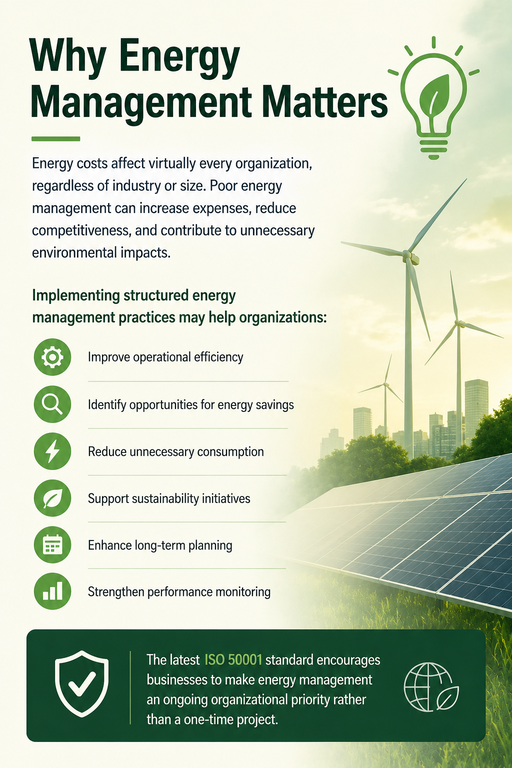
Energy costs affect virtually every organization, regardless of industry or size. Poor energy management can increase expenses, reduce competitiveness, and contribute to unnecessary environmental impacts.
Implementing structured energy management practices may help organizations:
- Improve operational efficiency
- Identify opportunities for energy savings
- Reduce unnecessary consumption
- Support sustainability initiatives
- Enhance long-term planning
- Strengthen performance monitoring
The latest ISO 50001 standard encourages businesses to make energy management an ongoing organizational priority rather than a one-time project.
The Purpose of the Latest ISO 50001 Standard
The current version of ISO 50001 emphasizes continual improvement, leadership involvement, data-driven decision-making, and integration with broader organizational objectives.
Instead of focusing only on technical upgrades, the standard promotes management practices that encourage organizations to evaluate energy performance regularly and identify opportunities for optimization.
Companies seeking guidance from an iso 50001 Certification body in India often appreciate this holistic approach to improving energy efficiency.
Leadership Commitment
A successful Energy Management System requires active participation from organizational leadership. Senior management plays an important role in establishing policies, allocating resources, defining objectives, and supporting continual improvement efforts.
Leadership involvement helps ensure that energy management becomes part of organizational culture rather than an isolated initiative.
Clear accountability also strengthens implementation and long-term sustainability.
Establishing an Energy Policy
An energy policy provides strategic direction for managing energy performance across the organization. It reflects leadership commitment while establishing expectations for continual improvement and responsible resource utilization.
A well-defined policy typically supports:
- Compliance with relevant obligations
- Efficient energy use
- Ongoing performance evaluation
- Employee awareness
- Long-term sustainability planning
This policy serves as the foundation for broader energy management activities.
Understanding Organizational Context
The latest ISO 50001 standard encourages organizations to evaluate internal and external factors that influence energy performance.
Relevant considerations may include:
- Business objectives
- Operational activities
- Technological capabilities
- Stakeholder expectations
- Regulatory developments
- Environmental conditions
Understanding these factors helps organizations design energy management systems that align with their specific circumstances.
Identifying Energy Performance Indicators
Measuring progress requires meaningful performance indicators. Organizations establish metrics that allow them to monitor energy use, evaluate trends, and assess improvement initiatives over time.
Reliable data supports informed decision-making while helping identify opportunities for optimization.
Businesses working with an iso 50001 Certification body in India frequently prioritize robust measurement systems as part of effective implementation.
Conducting Energy Reviews
Energy reviews involve analyzing how energy is consumed throughout organizational operations.
These assessments help identify:
- Significant energy uses
- Improvement opportunities
- Operational patterns
- Equipment performance
- Areas requiring monitoring
Regular reviews support continual improvement by enabling organizations to make evidence-based decisions regarding energy management priorities.
Setting Objectives and Targets
The standard encourages organizations to establish measurable objectives aligned with their energy policy and strategic goals.
Targets should be realistic, monitored regularly, and reviewed periodically to ensure ongoing relevance.
Examples may involve improving efficiency, reducing consumption, or enhancing monitoring capabilities depending on organizational priorities.
Clear objectives create focus and accountability across energy management initiatives.
Competence and Employee Awareness
Employees are important for successful implementation. Awareness programs and appropriate training help individuals understand how their activities influence energy performance.
Organizations benefit when personnel actively participate in identifying improvement opportunities and supporting responsible energy practices.
A culture of engagement strengthens long-term effectiveness beyond formal documentation requirements.
Documentation and Record Management
Documented information supports consistency, transparency, and effective communication within Energy Management Systems.
Organizations typically maintain records related to:
- Policies
- Objectives
- Energy data
- Monitoring activities
- Performance evaluations
- Improvement actions
- Internal reviews
Proper documentation facilitates informed decision-making and supports continual system maintenance.
Monitoring and Performance Evaluation
The latest ISO 50001 standard emphasizes ongoing measurement rather than occasional assessment.
Organizations regularly evaluate:
- Energy consumption patterns
- Performance indicators
- Operational effectiveness
- Achievement of objectives
- Opportunities for improvement
Consistent monitoring allows businesses to respond proactively rather than waiting for inefficiencies to become significant.
Internal Audits
Periodic internal audits help determine whether the Energy Management System functions as intended and continues to support organizational objectives.
Audits may identify strengths, improvement opportunities, or areas requiring corrective action.
Organizations committed to continual improvement often view audits as valuable learning tools rather than simple compliance exercises.
Management Review
Leadership periodically reviews system performance to evaluate effectiveness and determine whether strategic adjustments are needed.
Management reviews may consider:
- Audit findings
- Performance trends
- Objective achievement
- Resource needs
- Improvement opportunities
- Organizational changes
These evaluations help ensure ongoing alignment between energy management and broader business goals.
Corrective Actions and Continual Improvement
No management system remains perfect indefinitely. The latest ISO 50001 framework encourages organizations to investigate issues, identify root causes, implement corrective actions, and monitor results.
Continual improvement becomes part of everyday operations rather than an occasional initiative.
Businesses researching an iso 50001 Certification body in India often recognize that this philosophy contributes significantly to long-term success.
Integration With Other Management Systems
Many organizations already operate quality, environmental, or information security management systems.
ISO 50001 shares common structural principles that facilitate integration with other internationally recognized management standards, reducing duplication and improving organizational efficiency.
Integrated systems often streamline documentation, audits, leadership reviews, and performance monitoring.
Benefits Beyond Energy Savings
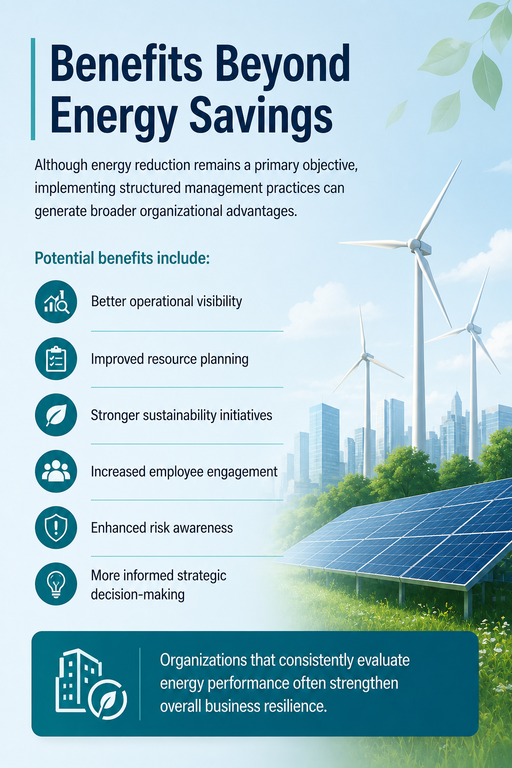
Although energy reduction remains a primary objective, implementing structured management practices can generate broader organizational advantages.
Potential benefits include:
- Better operational visibility
- Improved resource planning
- Stronger sustainability initiatives
- Increased employee engagement
- Enhanced risk awareness
- More informed strategic decision-making
Organizations that consistently evaluate energy performance often strengthen overall business resilience.
Preparing for the Future
Global emphasis on sustainability, environmental responsibility, and operational efficiency continues to increase. Businesses capable of managing energy systematically are better positioned to respond to evolving expectations and regulatory developments.
Understanding the principles associated with an iso 50001 Certification body in India enables organizations to build adaptable management systems that support future growth while encouraging responsible resource utilization.
Conclusion
The latest ISO 50001 standard provides organizations with a structured framework for improving energy performance through leadership commitment, data-driven decision-making, continual improvement, and effective management practices. Rather than focusing solely on reducing energy costs, it encourages businesses to establish long-term systems that support sustainability, operational efficiency, and organizational resilience.
Organizations seeking guidance from an iso 50001 Certification body in India often discover that successful implementation involves much more than documentation. It requires employee engagement, ongoing monitoring, meaningful performance evaluation, and a culture committed to continuous improvement.
As energy management becomes increasingly important across industries, businesses that understand and apply the principles supported by an iso 50001 Certification body in India position themselves to strengthen operational performance, improve resource utilization, and adapt confidently to future environmental and business challenges while supporting sustainable long-term growth.