
Why the 7 Principles of Food Safety Matter More in 2026
In 2026, food safety is one of the top priorities in the food industry. Customers today are more aware of hygiene standards, food handling practices, and cleanliness than ever before. A single mistake in food preparation or storage can affect customer trust, damage business reputation, and even lead to serious health risks. This is why businesses across restaurants, catering services, cloud kitchens, and food manufacturing units are paying closer attention to food safety systems.
A proper restaurant hygiene audit is now considered essential for maintaining food quality, reducing contamination risks, and ensuring customer confidence. The seven principles of food safety continue to play a major role in helping businesses maintain safe operations and comply with modern food safety expectations.
Understanding the 7 Principles of Food Safety
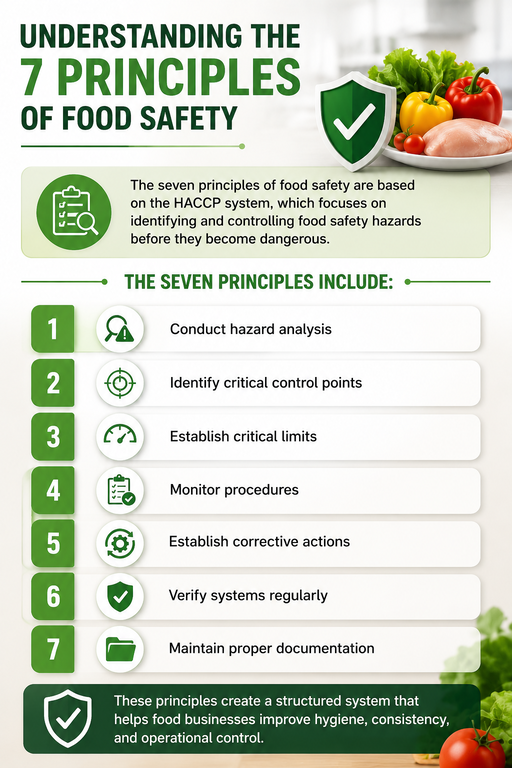
The seven principles of food safety are based on the HACCP system, which focuses on identifying and controlling food safety hazards before they become dangerous.
The seven principles include:
- Conduct hazard analysis
- Identify critical control points
- Establish critical limits
- Monitor procedures
- Establish corrective actions
- Verify systems regularly
- Maintain proper documentation
These principles create a structured system that helps food businesses improve hygiene, consistency, and operational control.
Why Food Safety Is More Important in 2026
The food industry has changed rapidly over the past few years. Online food delivery, cloud kitchens, global sourcing, and changing customer expectations have increased the need for stronger hygiene systems.
Several factors have made food safety more important than before:
- Increased food delivery operations
- Higher customer awareness
- Stricter regulations
- Greater use of digital systems
- More complex supply chains
- Increased online customer reviews
Customers today expect clean kitchens, hygienic food handling, and transparent safety practices. Businesses that fail to maintain these standards risk losing customer trust quickly.
This growing demand for hygiene has also increased the importance of food safety compliance services for modern food businesses.
Principle 1: Conduct Hazard Analysis
The first principle focuses on identifying possible hazards in food preparation and handling processes.
Hazards may include:
- Bacterial contamination
- Chemical contamination
- Improper food storage
- Cross-contamination
- Unsafe cooking practices
In 2026, businesses must monitor risks more carefully because food operations have become more advanced and fast-paced. Identifying hazards early helps businesses prevent larger problems later.
A proper hazard analysis improves operational safety and reduces contamination risks significantly.
Principle 2: Identify Critical Control Points
Critical control points are steps where food safety risks can be managed or removed.
Examples include:
- Cooking temperatures
- Refrigeration systems
- Food storage areas
- Cleaning procedures
Food businesses use a restaurant hygiene audit to evaluate whether these control points are managed properly. Monitoring these areas helps prevent foodborne illnesses and operational failures.
If critical control points are ignored, even small mistakes can lead to major hygiene problems.
Principle 3: Establish Critical Limits
Critical limits define the safe boundaries for food preparation and storage.
These limits may include:
- Minimum cooking temperatures
- Maximum refrigeration temperatures
- Safe cleaning chemical levels
- Storage time limits
Clear limits help employees understand the exact safety requirements during food handling processes.
Modern food businesses increasingly use digital monitoring systems to maintain accurate temperature and hygiene records.
Principle 4: Monitor Food Safety Procedures
Monitoring ensures that safety systems are working properly every day.
Common monitoring activities include:
- Temperature checks
- Cleaning inspections
- Equipment maintenance
- Employee hygiene observation
- Inventory rotation checks
Regular monitoring allows businesses to identify problems before they become serious.
Technology now plays a major role in food safety monitoring. Automated systems help improve accuracy while reducing manual errors in food operations.
Principle 5: Establish Corrective Actions
Corrective actions are necessary when safety standards are not met.
Corrective actions may include:
- Discarding unsafe food
- Repairing damaged equipment
- Retraining staff
- Improving cleaning procedures
- Adjusting storage temperatures
Quick action is extremely important in 2026 because customer complaints and negative reviews spread rapidly online.
Businesses that respond quickly to hygiene issues are more likely to maintain customer trust and avoid larger operational risks.
Principle 6: Verify Food Safety Systems
Verification helps businesses confirm that their food safety systems continue to work effectively.
Verification activities include:
- Internal inspections
- Hygiene audits
- Food testing
- Process evaluations
- Staff assessments
A strong food hygiene management system helps businesses maintain consistent quality and improve compliance with food safety regulations.
Verification also helps identify weaknesses in operations before they create customer safety concerns.
Principle 7: Maintain Proper Documentation
Documentation is one of the most important parts of food safety management.
Businesses should maintain records related to:
- Cleaning schedules
- Temperature logs
- Employee training
- Supplier information
- Corrective actions
- Inspection reports
In 2026, digital documentation systems are becoming increasingly popular because they improve organization, accuracy, and audit readiness.
Proper documentation also supports transparency and regulatory compliance.
The Growing Importance of Customer Trust
Modern customers are highly aware of food hygiene standards. Many consumers now check online reviews, cleanliness ratings, and hygiene practices before choosing a restaurant or food service provider.
Customers expect:
- Clean kitchens
- Safe food handling
- Proper packaging
- Hygienic delivery methods
- Professional staff hygiene
Businesses that fail to meet these expectations may struggle to maintain customer loyalty.
This is why many food businesses now rely on food safety inspection services to strengthen operational standards and improve customer confidence.
The Role of Technology in Food Safety
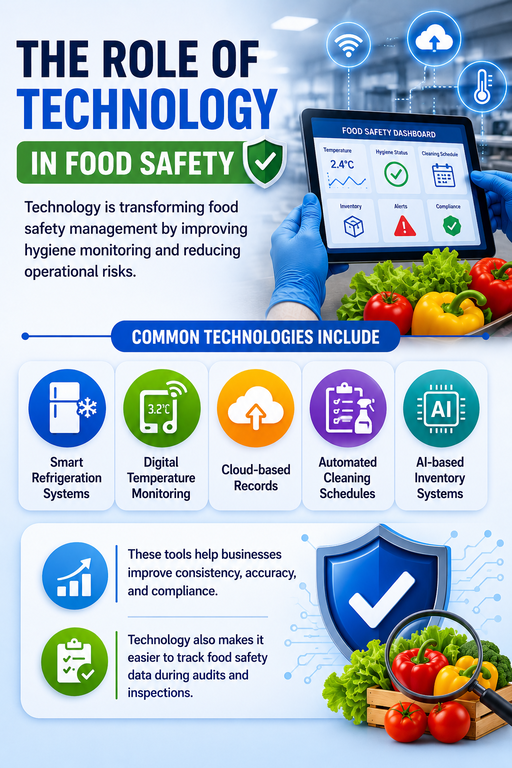
Technology is transforming food safety management in 2026. Businesses now use digital tools to improve hygiene monitoring and reduce operational risks.
Common technologies include:
- Smart refrigeration systems
- Digital temperature monitoring
- Cloud-based records
- Automated cleaning schedules
- AI-based inventory systems
These tools help businesses improve consistency, accuracy, and compliance.
Technology also makes it easier to track food safety data during audits and inspections.
Importance of Employee Training
Employees play an important role in keeping hygiene standards high. Even advanced systems may fail if employees are not properly trained.
Important training areas include:
- Handwashing practices
- Cross-contamination prevention
- Safe food storage
- Cleaning procedures
- Personal hygiene standards
Continuous employee training helps businesses reduce hygiene risks and improve operational performance.
In 2026, businesses are placing greater emphasis on staff awareness because customer expectations continue to rise.
Benefits of Following the 7 Principles
Implementing the seven principles of food safety offers several important advantages.
Better Customer Confidence
Customers trust businesses that maintain strong hygiene standards.
Reduced Contamination Risks
Preventive systems help lower the chances of foodborne illnesses.
Improved Compliance
Food safety systems help businesses meet regulatory requirements more effectively.
Better Operational Consistency
Standardized procedures improve workflow efficiency and reduce errors.
Stronger Reputation
Businesses with reliable hygiene systems often receive better customer reviews and repeat business.
Conclusion
The importance of food safety has increased significantly in 2026 because customers now expect higher hygiene standards, safer food handling practices, and better operational transparency from every food business. A proper restaurant hygiene audit is no longer only a regulatory requirement but also an essential process for maintaining customer trust and protecting business reputation. A detailed restaurant hygiene audit helps identify contamination risks, improper storage practices, and cleaning issues before they affect food quality or customer safety.Businesses that regularly perform a restaurant hygiene audit can improve operational efficiency, maintain hygiene consistency, and strengthen compliance with food safety regulations. The seven principles of food safety support better hazard control, employee training, monitoring procedures, and corrective actions, helping businesses create safer working environments. In today’s competitive food industry, maintaining proper hygiene standards is essential for long-term success. Organizations that prioritize food safety systems, staff awareness, and continuous monitoring will be better prepared to meet customer expectations, reduce operational risks, and maintain a strong reputation in 2026 and beyond.