
Food Safety Simplified: The 7 Stages of HACCP You Should Know
Food safety has become one of the most critical aspects of the global food industry. With increasing awareness among consumers and stricter regulatory standards, businesses must adopt structured systems to ensure food is safe at every stage of production. One of the most effective approaches is HACCP, a preventive system designed to identify and control hazards before they become serious risks.
For professionals and businesses alike, haccp training plays a vital role in understanding how to implement this system effectively. By learning the principles of HACCP, organizations can reduce risks, improve quality, and build trust with customers.
What is HACCP?
HACCP stands for Hazard Analysis and Critical Control Points, a globally recognized system designed to ensure food safety through a structured and preventive approach. Instead of relying on end-product inspection, HACCP focuses on identifying potential hazards at every stage of the food production process and applying control measures to eliminate or reduce risks. This proactive system helps businesses maintain consistent quality and safety from raw material sourcing to final consumption.
The main objective of HACCP is to prevent biological, chemical, and physical hazards that could harm consumers. By following its principles, organizations can create a controlled environment where risks are managed effectively. This is why haccp training plays a crucial role in implementing the system correctly. With proper haccp training, individuals learn how to identify hazards, determine critical control points, and establish monitoring procedures.
Additionally, haccp training ensures that employees understand compliance requirements and maintain proper documentation. Professionals equipped with haccp training can support businesses in building a strong food safety culture and achieving long-term operational success.
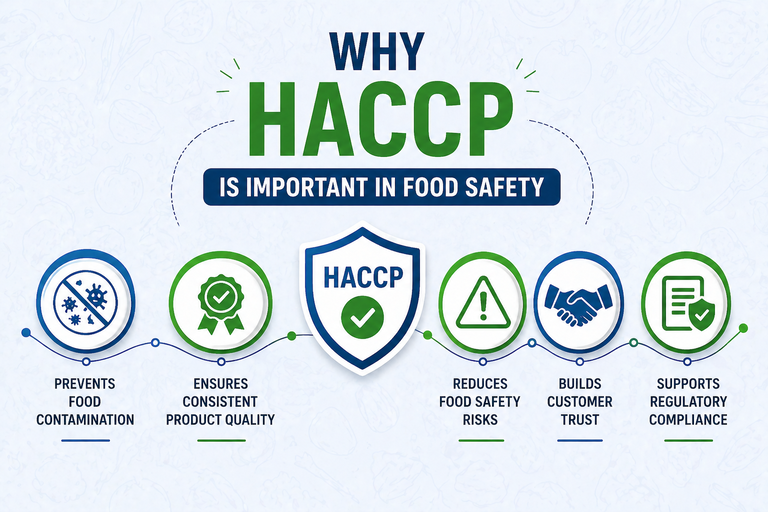
Why HACCP is Important in Food Safety
HACCP is widely recognized as one of the most effective food safety systems. It helps businesses maintain high hygiene standards while ensuring compliance with regulations.
Here’s why HACCP matters:
- Prevents food contamination
- Ensures consistent product quality
- Reduces food safety risks
- Builds customer trust
- Supports regulatory compliance
Professionals who undergo haccp training are better equipped to implement these practices effectively and maintain a safe food environment.
The 7 Stages of HACCP Explained
Understanding the seven stages of HACCP is essential for implementing a successful food safety system. These stages provide a structured approach to identifying and controlling hazards.
1. Conduct Hazard Analysis
The first step in HACCP is identifying potential hazards that could affect food safety.
These hazards can be:
- Biological (bacteria, viruses)
- Chemical (toxins, allergens)
- Physical (foreign objects)
Through haccp training, professionals learn how to analyze these risks and determine their impact on food safety.
2. Identify Critical Control Points (CCPs)
Critical Control Points are stages in the process where control measures can be applied to prevent or eliminate hazards.
Examples include:
- Cooking temperatures
- Storage conditions
- Cleaning processes
Proper haccp training helps individuals identify CCPs accurately and ensure effective monitoring.
3. Establish Critical Limits
Critical limits define the acceptable range for each CCP.
For example:
- Minimum cooking temperature
- Maximum storage temperature
These limits ensure that food remains safe. Professionals with haccp training understand how to set and maintain these limits effectively.
4. Establish Monitoring Procedures
Monitoring ensures that each CCP remains under control.
This involves:
- Regular checks
- Recording data
- Observing processes
With haccp training, individuals learn how to design and implement monitoring systems that detect issues early.
5. Establish Corrective Actions
If a CCP goes out of control, corrective actions must be taken immediately.
Examples include:
- Adjusting temperature
- Discarding unsafe food
- Fixing equipment issues
Haccp training teaches professionals how to respond quickly and effectively to prevent risks.
6. Establish Verification Procedures
Verification ensures that the HACCP system is working as intended.
This may include:
- Audits
- Testing
- Reviewing records
Through haccp training, individuals gain the skills needed to verify and improve food safety systems continuously.
7. Establish Record-Keeping and Documentation
Documentation is essential for maintaining transparency and compliance.
Records include:
- Monitoring logs
- Corrective actions
- Audit reports
Proper documentation ensures accountability. Professionals trained through haccp training understand how to maintain accurate and detailed records.
Benefits of HACCP Training
Investing in haccp training offers significant advantages for both individuals and businesses.
✔ Improved Food Safety
Training ensures that employees understand safety protocols and reduce contamination risks.
✔ Regulatory Compliance
Businesses can meet food safety standards and avoid penalties.
✔ Enhanced Reputation
Companies with strong safety practices gain customer trust.
✔ Better Risk Management
Haccp training helps identify and control risks before they escalate.
✔ Career Growth
Professionals with HACCP knowledge are in high demand across the food industry.
Who Should Take HACCP Training?
HACCP training is beneficial for anyone involved in food production and handling, including:
- Food industry professionals
- Quality control managers
- Restaurant staff
- Food business owners
- Students in food science
Learning haccp training principles helps individuals improve their skills and advance their careers.
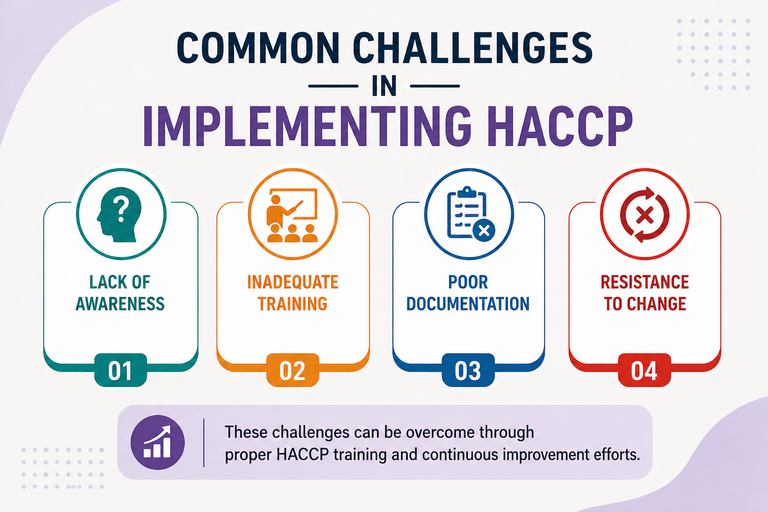
Common Challenges in Implementing HACCP
HACCP is very effective, but businesses can still face challenges like:
- Lack of awareness
- Inadequate training
- Poor documentation
- Resistance to change
These challenges can be overcome through proper haccp training and continuous improvement efforts.
Future Scope of HACCP Professionals
The demand for food safety professionals is increasing due to:
- Growing food industry
- Strict safety regulations
- Rising consumer awareness
- Global food trade
Professionals with haccp training are well-positioned for long-term career growth and stability.
Final Thoughts
Food safety is a shared responsibility that requires consistent effort, proper knowledge, and a strong commitment to continuous improvement. The HACCP system provides a structured and highly effective approach to identifying, evaluating, and controlling food safety risks at every stage of the production process. By implementing these principles correctly, businesses can significantly reduce the chances of contamination and ensure that food products remain safe for consumption. This is where haccp training becomes essential for both individuals and organizations.
Understanding the seven stages of HACCP allows businesses to build a reliable food safety system that focuses on prevention rather than reaction. From hazard analysis to proper documentation, each step plays a crucial role in maintaining high standards. With the help of haccp training, professionals gain the expertise needed to identify risks early, establish control measures, and maintain consistency in food safety practices. This not only improves operational efficiency but also minimizes costly errors and product recalls.
Investing in haccp training offers long-term benefits that go beyond compliance. It helps organizations create a culture of safety where employees are aware of their responsibilities and actively contribute to maintaining hygiene standards. When teams are properly trained through haccp training, they are better equipped to handle challenges, respond to potential hazards, and ensure that safety protocols are followed at all times.
In today’s competitive and highly regulated food industry, businesses that prioritize safety stand out from the rest. Customers are more conscious than ever about the quality and safety of the food they consume. Organizations that implement effective systems supported by haccp training gain a significant advantage by building trust and credibility in the market. This trust helps build stronger customer relationships and improves the brand’s reputation.
Moreover, haccp training opens up valuable career opportunities for individuals looking to grow in the food industry. Professionals with expertise in HACCP are in high demand across various sectors, including food manufacturing, hospitality, and quality assurance. Having strong knowledge gained through haccp training allows individuals to contribute meaningfully to food safety while advancing their careers.
Ultimately, adopting HACCP principles and investing in haccp training is not just about meeting standards, it is about creating a safer, more efficient, and more sustainable food system.