Top Sources for FSSAI Food Hygiene Guidelines Every Catering Business Should Know
Food safety is the foundation of every successful catering business. Whether serving meals at weddings, corporate events, schools, hospitals, or restaurants, maintaining high standards of hygiene is essential for protecting consumer health and building customer trust. A single lapse in food safety practices can lead to contamination, legal issues, reputational damage, and financial losses.
To ensure consistent compliance with food safety regulations, catering businesses should stay informed about the latest guidelines and best practices issued by recognized authorities. Conducting a regular food hygiene audit is one of the most effective ways to evaluate whether food handling, preparation, storage, and sanitation procedures meet required standards.
This article explores the most reliable sources for FSSAI food hygiene guidelines and explains how catering businesses can use them to strengthen their food safety management practices.
Why Food Hygiene Matters in Catering Businesses
Unlike many other food businesses, catering operations often prepare and transport large quantities of food to different locations. This increases the risk of contamination if hygiene practices are not carefully controlled.
Common food safety risks in catering include:
- Cross-contamination
- Improper food storage
- Inadequate cooking temperatures
- Poor personal hygiene
- Unsafe transportation
- Improper cleaning and sanitation
- Pest infestations
- Incorrect waste disposal
A routine food hygiene audit helps identify these risks before they become serious problems, ensuring food remains safe from preparation to service.
Understanding FSSAI Food Hygiene Guidelines
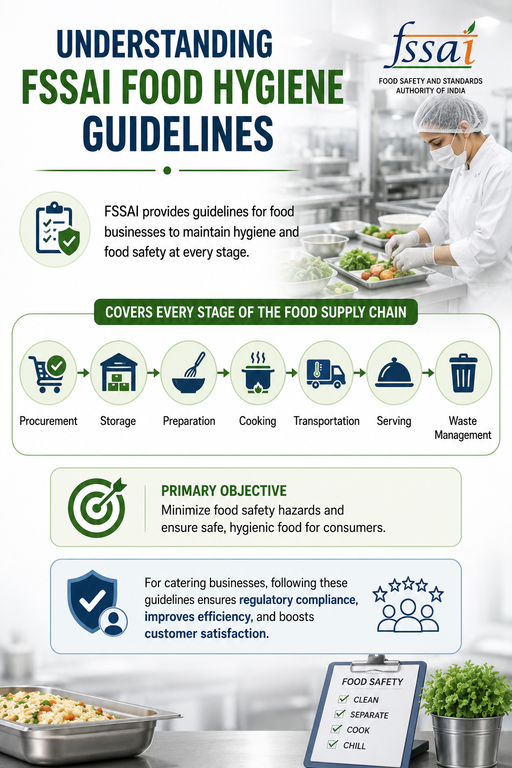
The Food Safety and Standards Authority of India (FSSAI) provides comprehensive regulations and guidance for food businesses to maintain hygiene and food safety. These guidelines cover every stage of the food supply chain, including procurement, storage, preparation, cooking, transportation, serving, and waste management.
The primary objective is to minimize food safety hazards while ensuring consumers receive safe and hygienic food products.
For catering businesses, understanding and implementing these guidelines is not only important for regulatory compliance but also for improving operational efficiency and customer satisfaction.
Top Sources for FSSAI Food Hygiene Guidelines
1. FSSAI Regulations and Official Notifications
The most reliable source of food hygiene information is the official regulations and notifications issued by FSSAI. These documents outline mandatory requirements for food businesses regarding hygiene, sanitation, labeling, licensing, and operational practices.
Catering businesses should regularly review updated regulations to ensure their operations remain compliant with current food safety requirements.
Conducting a food hygiene audit based on these regulations helps identify areas requiring improvement before inspections take place.
2. Schedule 4 Hygiene and Sanitary Practices
One of the most important references for catering businesses is Schedule 4 of the Food Safety and Standards regulations.
It provides detailed guidance on:
- Food preparation areas
- Personal hygiene
- Cleaning procedures
- Equipment maintenance
- Pest control
- Waste disposal
- Water quality
- Employee health monitoring
Following these requirements helps organizations maintain consistent hygiene standards throughout their operations.
3. Food Safety Management System (FSMS) Guidance Documents
FSSAI has developed Food Safety Management System guidance documents for various sectors within the food industry.
These documents provide industry-specific recommendations covering:
- Hazard identification
- Preventive controls
- Cleaning procedures
- Food handling practices
- Employee responsibilities
- Documentation requirements
Using these resources alongside regular food hygiene audit activities helps businesses build stronger food safety systems.
4. Good Hygiene Practices (GHP)
Good Hygiene Practices form the backbone of effective food safety management.
These practices include:
- Frequent hand washing
- Proper use of protective clothing
- Safe food handling
- Equipment sanitation
- Prevention of cross-contamination
- Temperature control
- Personal cleanliness
GHP guidelines should become part of every employee’s daily routine rather than being treated as occasional requirements.
5. Good Manufacturing Practices (GMP)
Although commonly associated with manufacturing, Good Manufacturing Practices are equally valuable for catering operations.
They focus on maintaining controlled environments that support food safety through:
- Facility maintenance
- Equipment cleanliness
- Storage management
- Production controls
- Process consistency
- Documentation
Many businesses include GMP verification within their regular food hygiene audit program.
6. HACCP Principles
Hazard Analysis and Critical Control Points (HACCP) is a globally recognized preventive food safety system.
The HACCP approach encourages businesses to:
- Identify hazards
- Assess risks
- Establish critical control points
- Monitor critical limits
- Implement corrective actions
- Verify effectiveness
- Maintain records
Many FSSAI food safety recommendations align closely with HACCP principles, making them highly relevant for catering businesses.
7. Employee Food Safety Training Materials
Food safety depends heavily on employee knowledge and behavior.
FSSAI training resources emphasize:
- Personal hygiene
- Safe cooking practices
- Temperature monitoring
- Cleaning procedures
- Food storage
- Allergen awareness
- Safe transportation
Training should be an ongoing process, not a one-time event.
Employees who understand food safety requirements contribute significantly to successful food hygiene audit outcomes.
8. Industry Best Practice Manuals
Many industry publications provide practical guidance for implementing food hygiene standards in commercial kitchens and catering operations.
These manuals often explain:
- Kitchen layout optimization
- Cleaning schedules
- Equipment maintenance
- Safe food transportation
- Emergency procedures
- Documentation systems
Businesses can compare these recommendations with regulatory requirements to strengthen overall food safety performance.
Key Areas Covered During a Food Hygiene Audit
A comprehensive food hygiene audit evaluates every aspect of food handling operations.
Personal Hygiene
Auditors review whether employees:
- Wash hands properly
- Wear clean uniforms
- Use protective equipment
- Follow illness reporting procedures
- Maintain personal cleanliness
Food Storage
Storage areas should demonstrate:
- Proper temperature control
- FIFO inventory rotation
- Separation of raw and cooked foods
- Protection against contamination
Cleaning and Sanitation
Auditors verify:
- Cleaning schedules
- Sanitization procedures
- Chemical storage
- Equipment cleanliness
- Kitchen maintenance
Pest Control
Effective pest management includes:
- Regular inspections
- Preventive measures
- Proper waste management
- Facility maintenance
Equipment Maintenance
Food preparation equipment should remain:
- Clean
- Functional
- Properly calibrated
- Well maintained
Waste Management
Safe waste disposal helps prevent contamination while maintaining a hygienic work environment.
Benefits of Following FSSAI Food Hygiene Guidelines
Implementing recognized food hygiene practices offers several long-term benefits.
Improves Food Safety
Proper hygiene significantly reduces contamination risks and foodborne illnesses.
Builds Customer Confidence
Customers trust catering businesses that consistently demonstrate safe food handling practices.
Supports Regulatory Compliance
Following official guidelines helps organizations meet food safety regulations and inspection requirements.
Reduces Food Waste
Better storage, handling, and inventory management minimize spoilage and unnecessary waste.
Enhances Employee Awareness
Well-trained employees understand their responsibilities and contribute to safer food preparation.
Improves Business Reputation
Strong food safety practices create positive customer experiences and encourage repeat business.
Common Challenges Catering Businesses Face
Despite good intentions, many catering businesses encounter hygiene challenges such as:
- High employee turnover
- Inconsistent training
- Poor documentation
- Inadequate cleaning schedules
- Limited temperature monitoring
- Cross-contamination risks
- Improper storage practices
Regular food hygiene audit activities help identify these weaknesses and provide opportunities for continuous improvement.
Best Practices for Maintaining Food Hygiene
To maintain consistently high hygiene standards, catering businesses should:
- Develop written hygiene procedures.
- Train employees regularly.
- Conduct internal hygiene inspections.
- Monitor food temperatures.
- Maintain cleaning records.
- Review supplier performance.
- Inspect storage facilities frequently.
- Calibrate measuring equipment.
- Encourage employee reporting of hygiene concerns.
- Review food safety procedures periodically.
These practices strengthen compliance while reducing operational risks.
Creating a Culture of Food Safety
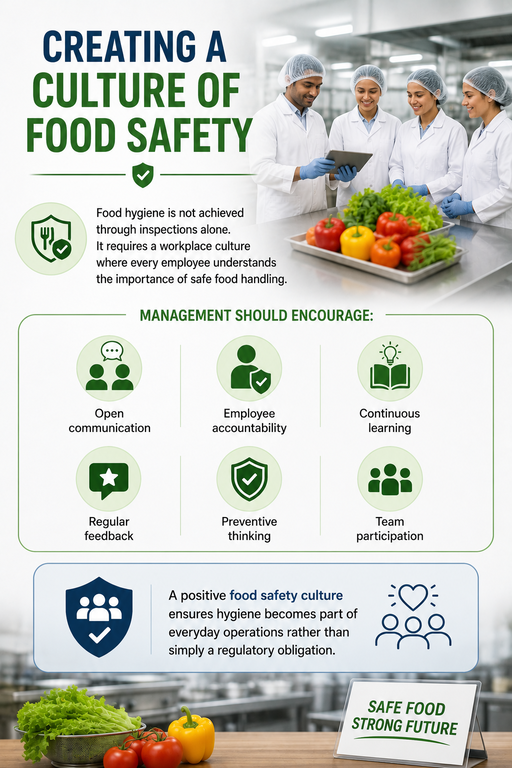
Food hygiene is not achieved through inspections alone. It requires a workplace culture where every employee understands the importance of safe food handling.
Management should encourage:
- Open communication
- Employee accountability
- Continuous learning
- Regular feedback
- Preventive thinking
- Team participation
A positive food safety culture ensures hygiene becomes part of everyday operations rather than simply a regulatory obligation.
Conclusion
Maintaining high food hygiene standards is essential for every catering business aiming to deliver safe, high-quality meals while protecting customer health. Staying informed about FSSAI food hygiene guidelines through official regulations, Schedule 4 requirements, Food Safety Management System guidance, Good Hygiene Practices, Good Manufacturing Practices, HACCP principles, and employee training resources helps organizations establish strong food safety systems.
Conducting a regular food hygiene audit enables businesses to identify risks, improve compliance, strengthen operational efficiency, and foster a culture of continuous improvement