
Do ISO Certificates Expire? The Truth Businesses Must Know
In today’s competitive market, many entrepreneurs—especially startups and MSMEs—ask a critical question: Do ISO certificates expire, or are they permanent once obtained? This confusion often impacts long-term planning, compliance strategies, and even budgeting decisions like iso certification cost for small business in india.
The truth is simple—but often misunderstood. ISO certification is not a one-time achievement. It is an ongoing commitment that requires maintenance, audits, and renewal.
Let’s break down everything businesses must know.
Understanding ISO Certification: It’s More Than Just a Certificate
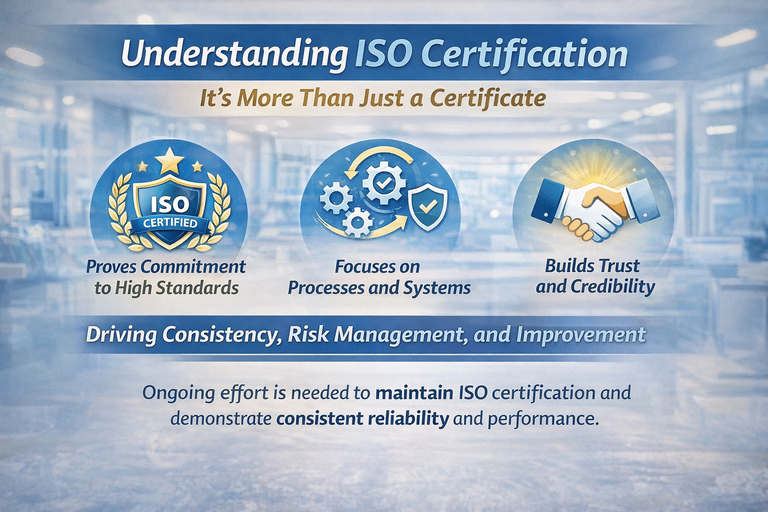
ISO certification is a globally recognized validation that a business follows well-defined standards for quality, safety, efficiency, and overall management systems. It is important to understand that ISO certification is not granted to products but to the processes and systems that drive an organization. This distinction ensures that businesses focus on consistency, risk management, and continuous improvement rather than just output.
When a company achieves ISO certification, it sends a strong message of trust and credibility to customers, stakeholders, and regulatory authorities. It demonstrates that the organization is committed to maintaining high standards and delivering reliable performance. For businesses evaluating the iso certification cost for small business in india, this recognition can significantly enhance market reputation and open doors to new opportunities.
However, many business owners assume that certification is permanent once achieved. In reality, maintaining compliance requires ongoing effort, audits, and system updates. Understanding the lifecycle, along with the iso certification cost for small business in india, helps organizations plan effectively and sustain compliance. By considering the iso certification cost for small business in india as a strategic investment, businesses can ensure long-term growth, operational efficiency, and continued credibility in competitive markets.
Do ISO Certificates Expire? The Straight Answer
Yes, ISO certificates do expire.
Most ISO certifications are valid for a period of three years from the date of issuance.
After this period, businesses must undergo a recertification audit to continue holding the certification.
This three-year validity is not just a formality—it ensures that companies continuously follow updated standards and maintain compliance.
Why ISO Certification Has an Expiry Date
ISO certification is not designed to be permanent because business environments constantly evolve. Standards are updated, technologies change, and operational risks shift.
Here are the key reasons behind the expiration:
1. Continuous Improvement Requirement
ISO standards focus heavily on improvement. Organizations are expected to evolve their systems regularly rather than remain static.
2. Changing Global Standards
ISO guidelines are frequently updated to match industry trends and global requirements.
3. Accountability and Compliance
Without expiry and audits, there would be no reliable way to ensure that companies still follow the required practices.
The 3-Year ISO Certification Cycle Explained
Understanding the lifecycle of ISO certification helps businesses plan better—especially when calculating the iso certification cost for small business in india.
Year 1: Initial Certification Audit
This is where your organization is evaluated against the chosen ISO standard.
Year 2: First Surveillance Audit
Auditors check whether your systems are still functioning as required.
Year 3: Second Surveillance Audit
Another review ensures ongoing compliance and improvement.
End of Year 3: Recertification Audit
To renew your ISO certification, a full reassessment is conducted.
If successful, the certification is renewed for another three-year cycle.
What Are Surveillance Audits and Why Do They Matter?
Surveillance audits are periodic checks conducted during the three-year validity period.
They are typically carried out annually and ensure that your organization continues to meet ISO standards.
These audits evaluate:
- Process consistency
- Documentation accuracy
- Risk management practices
- Continuous improvement efforts
Failing these audits can lead to suspension—even before the expiry date.
What Happens When an ISO Certificate Expires?
If your ISO certification expires, your business loses its certified status immediately.
This can have serious consequences:
Loss of Credibility
Clients and partners may question your reliability and compliance.
Missed Business Opportunities
Many tenders and contracts require valid ISO certification.
Operational Setbacks
Internal processes may lose structure and standardization.
Legal or Compliance Issues
In certain industries, ISO certification is mandatory.
An expired certificate essentially means your management system is no longer officially recognized.
Can ISO Certification Be Renewed After Expiry?
Yes, but with conditions.
If your certification expires, you must undergo a recertification process, which may include:
- Full system audit
- Documentation review
- Compliance verification
Delays in renewal can increase complexity and effort required to regain certification.
Common Myths About ISO Certification Expiry
Many small businesses misunderstand how ISO works. Let’s clear some myths:
Myth 1: ISO Certification is Lifetime
Reality: It lasts only three years and requires renewal.
Myth 2: No Work After Certification
Reality: Continuous compliance is mandatory through audits.
Myth 3: Only Big Companies Need Renewal
Reality: Every certified organization, regardless of size, must follow the same cycle.
How Expiry Impacts Small Businesses in India
For small businesses, ISO certification is a powerful growth tool. However, failing to maintain it can create challenges.
Financial Planning
The iso certification cost for small business in india is not a one-time expense. It includes:
- Initial certification
- Annual audits
- Renewal audits
Competitive Advantage
Valid certification helps small businesses compete with larger enterprises.
Trust Building
Customers prefer businesses that maintain updated certifications.
Tips to Maintain ISO Certification Without Hassle
Maintaining ISO certification is easier when businesses adopt a proactive approach.
1. Conduct Internal Audits Regularly
This helps identify gaps before external audits.
2. Keep Documentation Updated
Accurate records are essential for compliance.
3. Train Employees Continuously
Staff awareness ensures smooth implementation of standards.
4. Monitor Processes Consistently
Avoid last-minute fixes before audits.
5. Schedule Audits in Advance
Planning helps avoid delays and penalties.
How ISO Expiry Connects to Business Growth
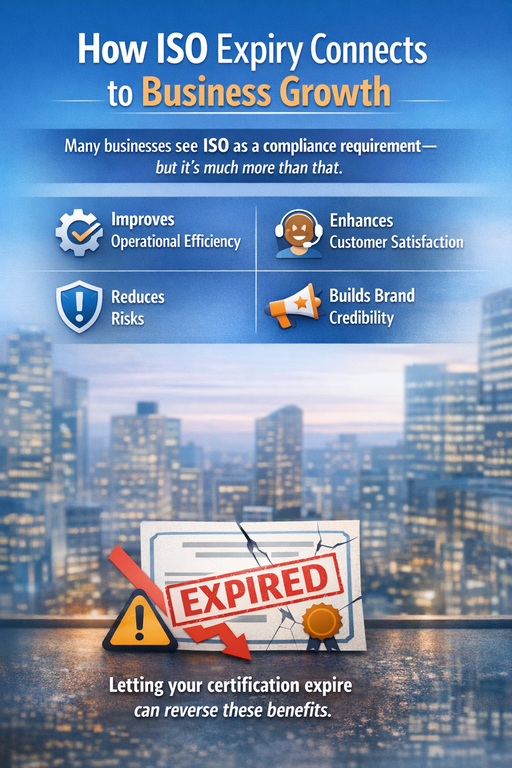
Many businesses see ISO as a compliance requirement—but it’s much more than that.
When maintained properly, ISO certification:
- Improves operational efficiency
- Enhances customer satisfaction
- Reduces risks
- Builds brand credibility
However, letting your certification expire can reverse these benefits.
Final Thoughts
ISO certification is not a one-time milestone that businesses can achieve and forget. Instead, it represents an ongoing commitment to quality, compliance, and continuous improvement. Organizations must consistently monitor their processes, update documentation, and adapt to evolving standards to maintain their certified status. This dynamic approach ensures that businesses remain competitive and aligned with global benchmarks rather than becoming outdated over time.
It is important to understand that ISO certificates do expire, typically after a three-year cycle. However, this expiration should not be seen as a drawback. In fact, it serves as a structured opportunity for organizations to reassess their systems, identify gaps, and implement improvements. Regular surveillance and renewal audits ensure that companies maintain high standards of performance, efficiency, and customer satisfaction.
For small and growing enterprises, particularly those analyzing the iso certification cost for small business in india, understanding the certification lifecycle is crucial. The iso certification cost for small business in india is not just an initial investment but a long-term commitment that includes maintenance, audits, and recertification. By considering the iso certification cost for small business in india early in their planning, businesses can allocate resources more effectively and avoid unexpected compliance challenges.
Moreover, being aware of the iso certification cost for small business in india helps organizations make informed strategic decisions. It enables them to balance quality improvements with financial planning while ensuring uninterrupted certification status. When businesses proactively manage the iso certification cost for small business in india, they are better positioned to sustain growth and build trust in competitive markets.Ultimately, ISO certification should be viewed as a valuable business asset rather than a recurring obligation. By staying prepared, maintaining compliance, and understanding the iso certification cost for small business in india, companies can transform certification into a powerful tool for long-term success, credibility, and operational excellence.